
How to Clean and Care for Work Boots: A Simple Routine That Helps Them Last
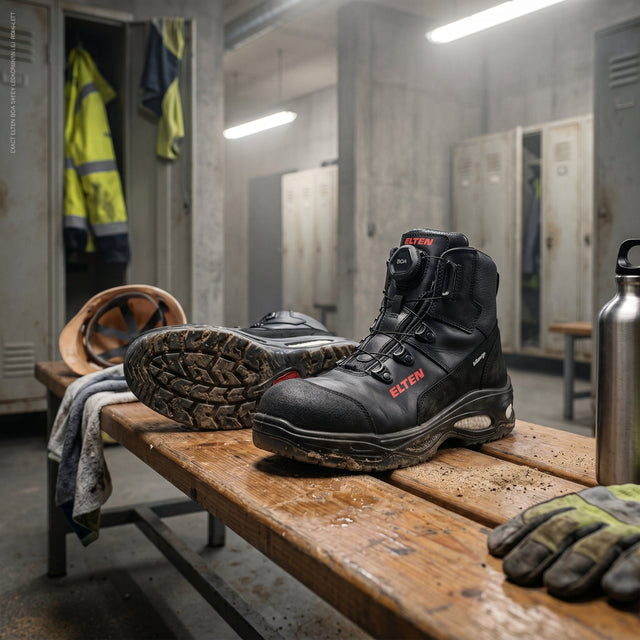
Work boots and safety shoes deal with dust, mud, moisture, sweat and long days on demanding surfaces. Without regular care, dirt can build up around seams and flex points, leather can dry out, and moisture can remain trapped inside the footwear.
The good news is that work boot care does not need to be complicated. A few minutes of cleaning after a dirty shift—plus occasional deeper maintenance—can help preserve the upper, maintain breathability and keep your footwear in better condition for longer.
This guide explains how to clean work boots and safety shoes, how to dry them correctly and when leather conditioning or waterproofing may be appropriate.
Why regular work boot care matters
Cleaning work footwear is not only about appearance. Dirt and moisture can affect the materials over time, particularly when mud is repeatedly allowed to dry into the upper or around the stitching.
A sensible care routine can help you:
- Remove abrasive dirt before it builds up
- Keep leather supple and reduce unnecessary drying or cracking
- Maintain the breathability of leather, textile and membrane footwear
- Reduce moisture and odour inside the footwear
- Spot damage before it becomes a bigger problem
- Get better value from a quality pair of work boots or safety shoes
Care cannot reverse structural wear or repair damaged safety components. However, it can help serviceable footwear remain in better condition throughout its working life.
What you need to clean work boots
For a basic work boot cleaning routine, keep the following items handy:
- A soft or medium-bristle shoe brush
- A smaller brush for seams and tread
- A clean cloth or sponge
- Lukewarm water
- A mild cleaner suitable for the footwear material, if required
- A care product specifically suited to the leather or upper material
- Paper or an appropriate shoe-drying aid for very damp footwear
Always check the footwear manufacturer's care instructions before applying a cleaner, conditioner or waterproofing treatment. Different leathers, textiles and waterproof membranes can require different products.
A simple work boot care routine
1. Remove loose dirt after work
Do not wait until your boots are heavily coated in dried mud. Once the footwear is dry enough to brush, remove loose dust, dirt and debris from the upper.
Pay particular attention to:
- Seams and stitching
- Flex points across the forefoot
- The area where the upper meets the sole
- Tongue folds and fastening areas
- Tread channels underneath the footwear
Regular brushing also helps prevent dirt from forming a layer over breathable upper materials.
2. Remove the footbeds and loosen the closure
Take out removable footbeds before deeper cleaning or drying. Open traditional laces, hook-and-loop straps or the BOA® Fit System sufficiently to allow air to circulate inside the footwear.
Dry removable footbeds separately. This helps internal moisture escape more effectively and gives you an opportunity to inspect the footbeds for excessive compression, damage or odour.
If the footbeds are worn but the footwear remains structurally sound, explore replacement insoles for work boots and safety shoes.
3. Clean the upper gently
Use a damp cloth or suitable brush with lukewarm water to remove remaining dirt. Work gently rather than saturating the footwear.
Avoid harsh household cleaners, bleach, solvents and aggressive stain removers unless the footwear manufacturer specifically approves them. These products can affect leather finishes, adhesives, stitching, colours or waterproof treatments.
For stubborn dirt, use a cleaner designed for the particular upper material and follow its instructions.
4. Clean the outsole
Remove stones, packed mud and other debris from the tread using a small brush or blunt suitable tool. Avoid anything sharp that could cut or puncture the outsole.
Cleaning the sole makes it easier to inspect:
- Tread depth and uneven wear
- Cracks, cuts or punctures
- Separation between the upper and sole
- Damage around the heel or toe area
A clean outsole does not restore worn tread, but it helps you see when replacement may be necessary.
5. Dry work boots naturally
Allow work boots and shoes to dry in a well-ventilated place at a moderate temperature. Keep them away from heaters, fires, hot-air outlets and other direct heat sources.
Excessive heat can dry out leather and may affect other footwear materials. Do not leave wet boots closed inside a vehicle, locker or bag for extended periods.
For very damp footwear:
- Remove the footbeds and dry them separately
- Open the footwear fully to improve airflow
- Use absorbent paper and replace it as it becomes damp
- Use a suitable gentle shoe dryer if approved for the footwear
Allow the boots to dry completely before applying most conditioning or protective products, unless that product's instructions say otherwise.
6. Condition leather when required
Once leather work boots are clean and dry, apply a suitable leather care product sparingly and evenly. Test it on a small, less visible area first because some products can alter the leather's colour or appearance.
Leather conditioning can help keep the material supple and reduce excessive drying. More product is not necessarily better: heavy layers can attract dirt or affect breathability.
Explore the SK Leather Care Kit or browse work boot care products and accessories.
How to care for waterproof GORE-TEX work boots
Waterproof work boots still need cleaning. Dirt on the outer material can reduce breathability and affect how effectively water beads and runs off the surface.
For GORE-TEX footwear:
- Remove loose dirt with a brush or cloth
- Clean using lukewarm water and products approved for the upper material
- Dry naturally at a moderate temperature
- Avoid direct heat
- Use a suitable water-based restorative treatment when required
- Do not use conventional waterproofing waxes or greases unless they are specifically approved, as they can affect breathability
Always follow the footwear manufacturer's instructions and the directions supplied with the chosen care product. You can also review the official GORE-TEX footwear care instructions.
If you regularly work in rain, puddles or sustained wet conditions, browse waterproof work boots and safety shoes.
How to care for BOA® work footwear
The BOA® Fit System removes the need for traditional laces, but the fastening area should still be kept clean.
Use a soft brush or damp cloth to remove dirt from around the dial, guides and lace. Do not force debris into the mechanism or apply unsuitable oils and lubricants.
Open and close the system normally after cleaning to check that it adjusts smoothly. If a component is damaged, do not attempt an improvised repair that could affect the fit. Contact Stitchkraft for advice about compatible BOA® components.
Explore BOA® work boots and safety shoes.
How often should you clean work boots?
The right schedule depends on your work environment and how heavily the footwear is used.
| When | Recommended care |
|---|---|
| After a dusty or muddy shift | Brush off loose dirt and clear the tread |
| After significant moisture exposure | Remove footbeds, open the footwear and dry naturally |
| Weekly for regularly worn footwear | Wipe the upper, clean around seams and inspect for wear |
| Periodically | Deep-clean and apply a suitable care product if required |
| Before applying conditioner or waterproofing | Clean the footwear and follow the product instructions |
Workers exposed to mud, water, concrete dust, oils or other contaminants may need to clean their footwear more frequently. Where chemical exposure is possible, follow the workplace procedure and the footwear manufacturer's guidance rather than relying on a general cleaning routine.
Common work boot care mistakes
Drying boots beside a heater
High or direct heat may dry leather too aggressively and affect footwear materials. Choose ventilation and moderate temperatures instead.
Leaving mud on the boots for days
Repeated dirt build-up can be harder to remove and may collect around stitching, flex points and the sole edge.
Soaking the entire boot unnecessarily
Use only as much water as needed. Saturating footwear can extend drying time and may not be appropriate for every material.
Using the same product on every type of footwear
Full-grain leather, nubuck, suede, textile and membrane footwear do not necessarily require the same treatment. Check compatibility first.
Applying heavy wax to waterproof membrane footwear
Some waxes and greases can reduce breathability. Use a treatment approved for the specific waterproof footwear.
Ignoring the inside of the footwear
Remove and dry footbeds, allow the interior to air and replace excessively worn insoles when appropriate.
Treating maintenance as a repair
Conditioner cannot restore worn tread, repair a separated sole or reverse damage to protective components.
When cleaning is no longer enough
Regular care can help preserve work footwear, but it cannot make unsafe or structurally damaged boots serviceable again.
Consider replacing your work boots or shoes if you notice:
- Smooth, damaged or severely uneven tread
- Cracks, cuts or sole separation
- Water entering through damaged construction
- A fit that has become loose or unstable
- Persistent loss of cushioning or support
- Damage around the toe protection or penetration-resistant components
Read our complete guide to the five signs your work boots may need replacing.
Frequently asked questions about work boot care
Can I wash work boots in a washing machine?
Do not machine-wash safety footwear unless the manufacturer explicitly states that the model is machine washable. Machine washing can affect leather, adhesives, protective treatments and footwear components.
Can I dry work boots with a heater or hair dryer?
Direct heat is not recommended. Allow footwear to dry naturally at a moderate temperature with good airflow. Remove the footbeds and dry them separately.
How do I stop work boots from smelling?
Let the footwear dry properly between shifts, remove footbeds to air them separately and avoid storing damp boots in enclosed spaces. Clean or replace footbeds when appropriate and follow the manufacturer's hygiene guidance.
How often should I condition leather work boots?
There is no universal schedule. It depends on the leather, working conditions, cleaning frequency and care product. Condition clean leather when it begins to look or feel dry, following the footwear and product instructions.
Can I use leather wax on GORE-TEX work boots?
Only use products confirmed as suitable for the particular GORE-TEX footwear and upper material. Conventional waxes and greases can affect breathability, so a compatible water-based treatment may be more appropriate.
Does cleaning make work boots last longer?
Regular cleaning can help preserve the upper, prevent dirt build-up and make developing wear easier to identify. Actual service life still depends on construction, work conditions, frequency of use, fit, maintenance and the type of wear involved.
Look after the footwear that works as hard as you do
A good work boot care routine is simple: remove dirt, clean gently, dry naturally, use material-appropriate products and inspect the footwear while you work.
Ten minutes of maintenance cannot prevent every form of wear, but it can help keep quality work boots and safety shoes in better condition and help you recognise when they need attention—or replacement.